In response to the growing focus on sustainable waste management, Transfer Oil launched a structured circular economy project in 2025. The initiative aims to reduce the environmental impact of thermoplastic scrap generated during the extrusion process, lower disposal costs, and enhance both safety and operational efficiency across production lines.
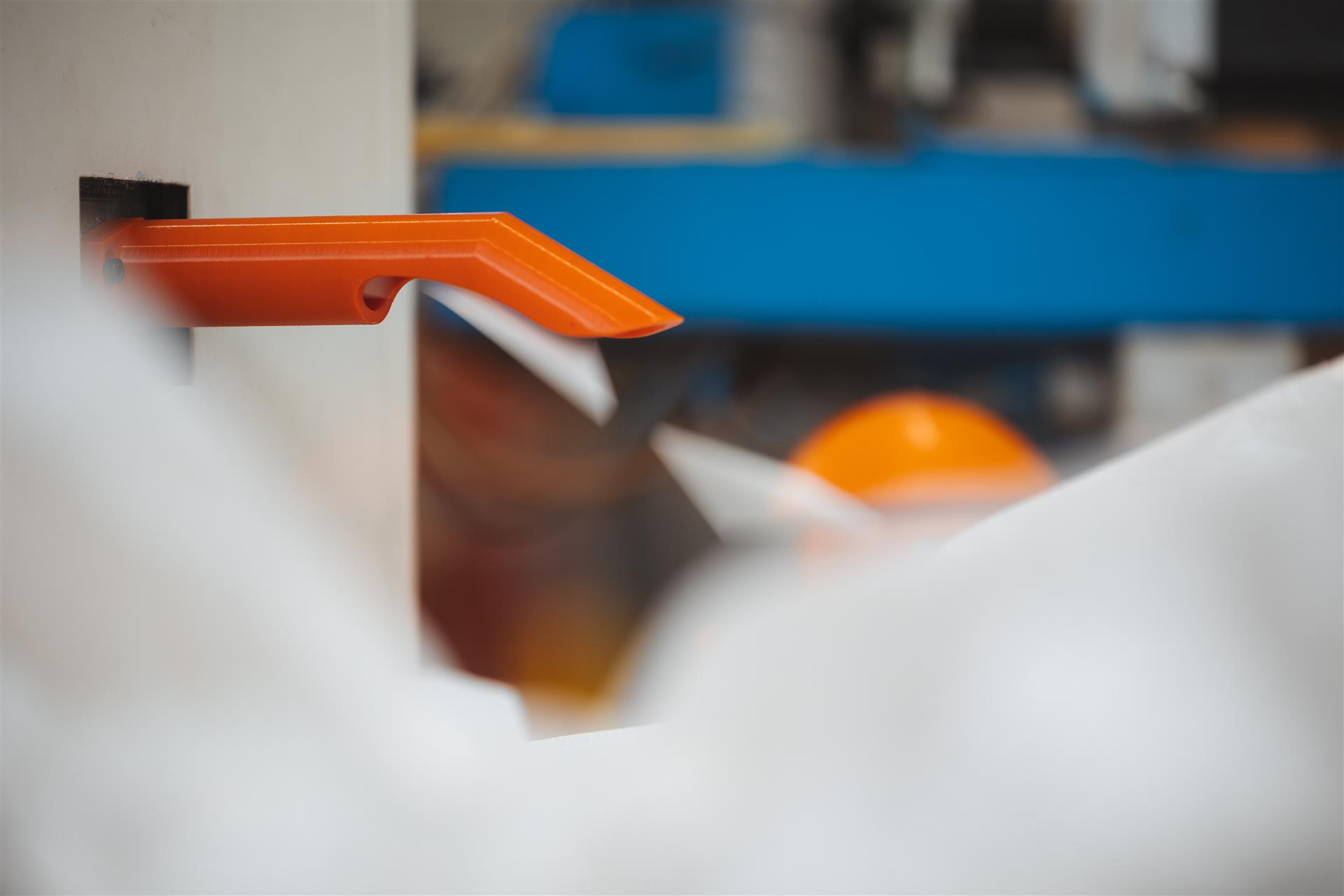
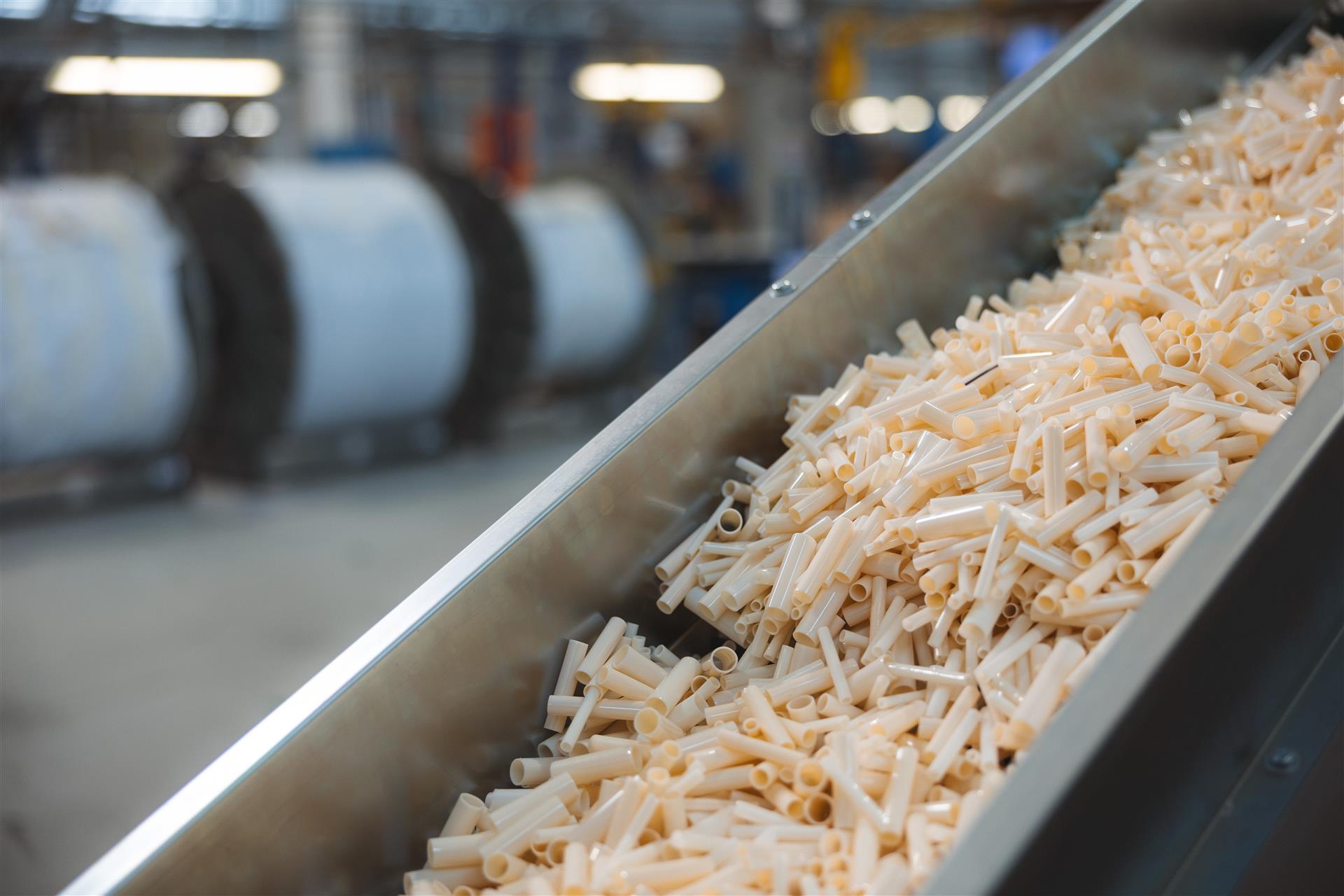
Throughout the year, the project became a key investment for the R&D department, leading to the implementation of dedicated systems, procedures, and machinery. Specifically, three new cutting units were installed downstream of each inner tube extrusion line. These systems automatically cut non-conforming sections, conveying them into dedicated mobile reusable bags, thus fully eliminating the need for manual operator intervention.
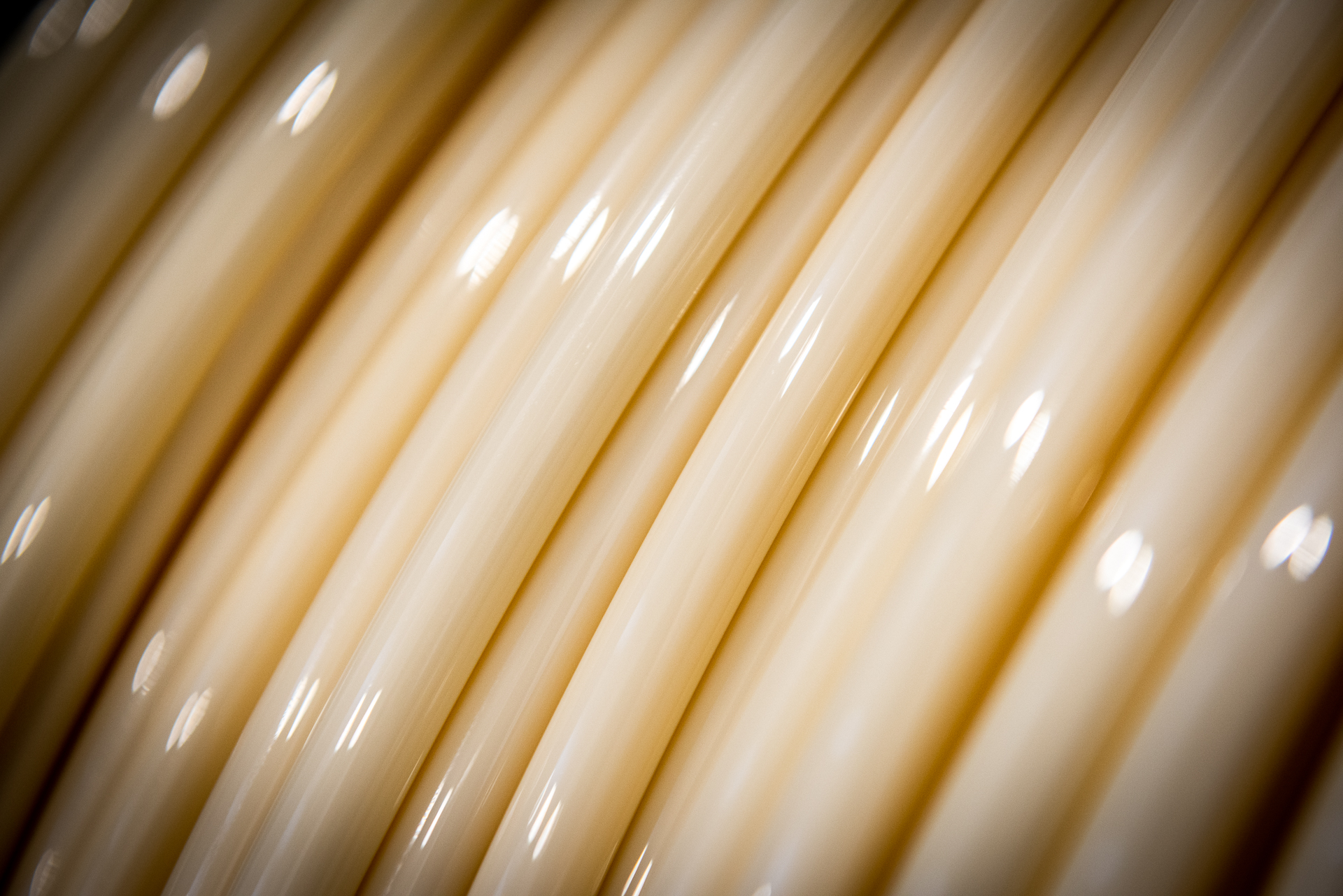
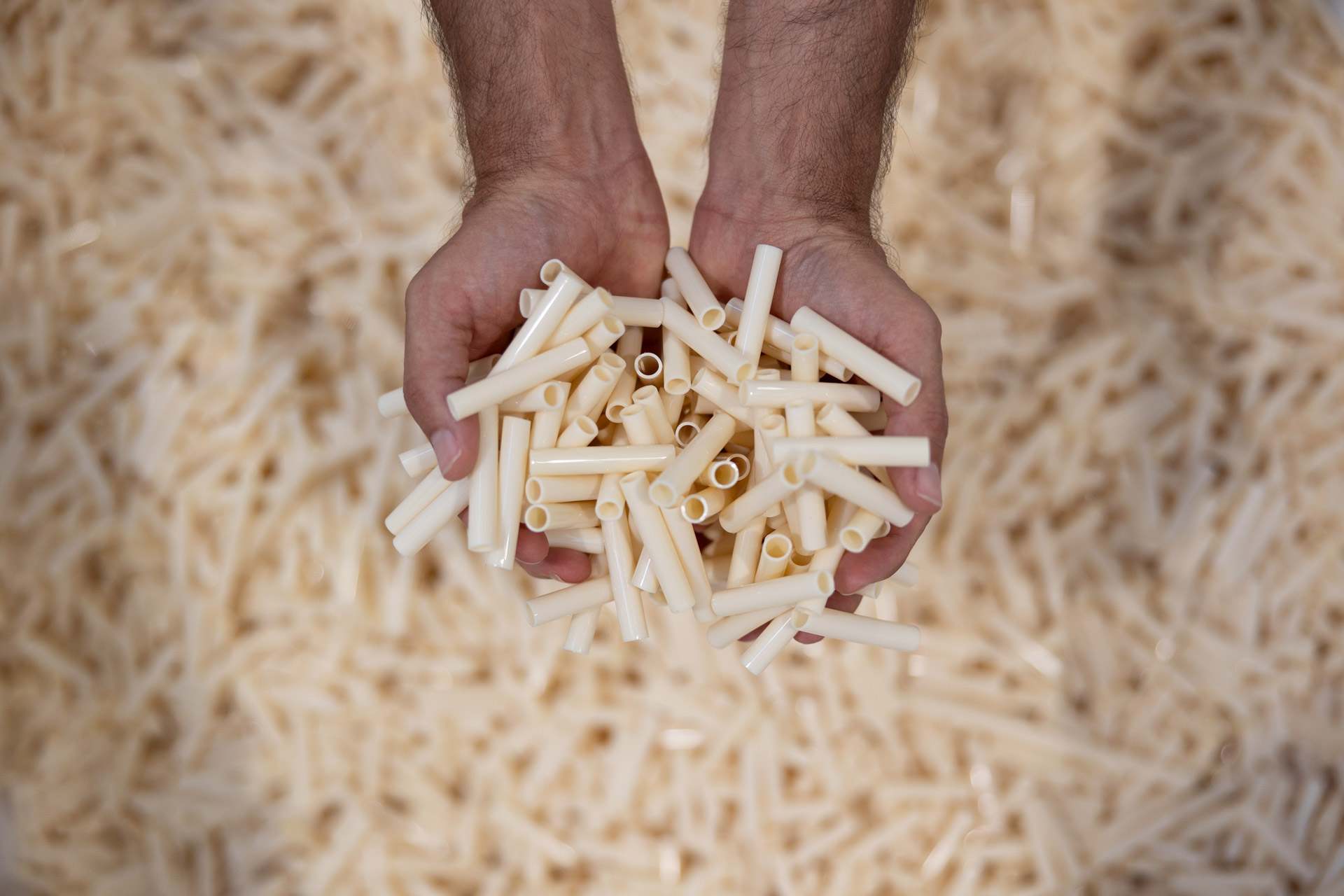
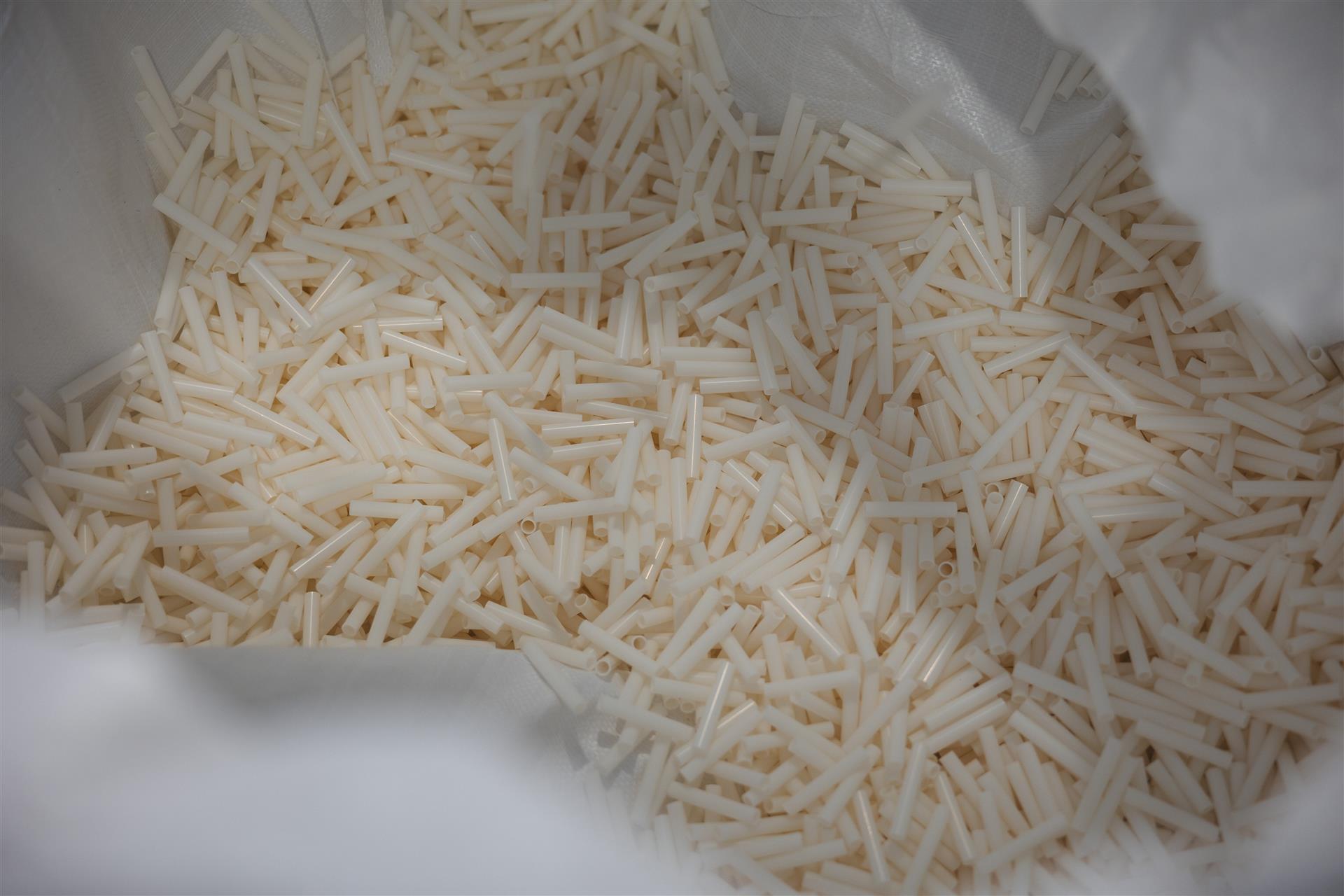
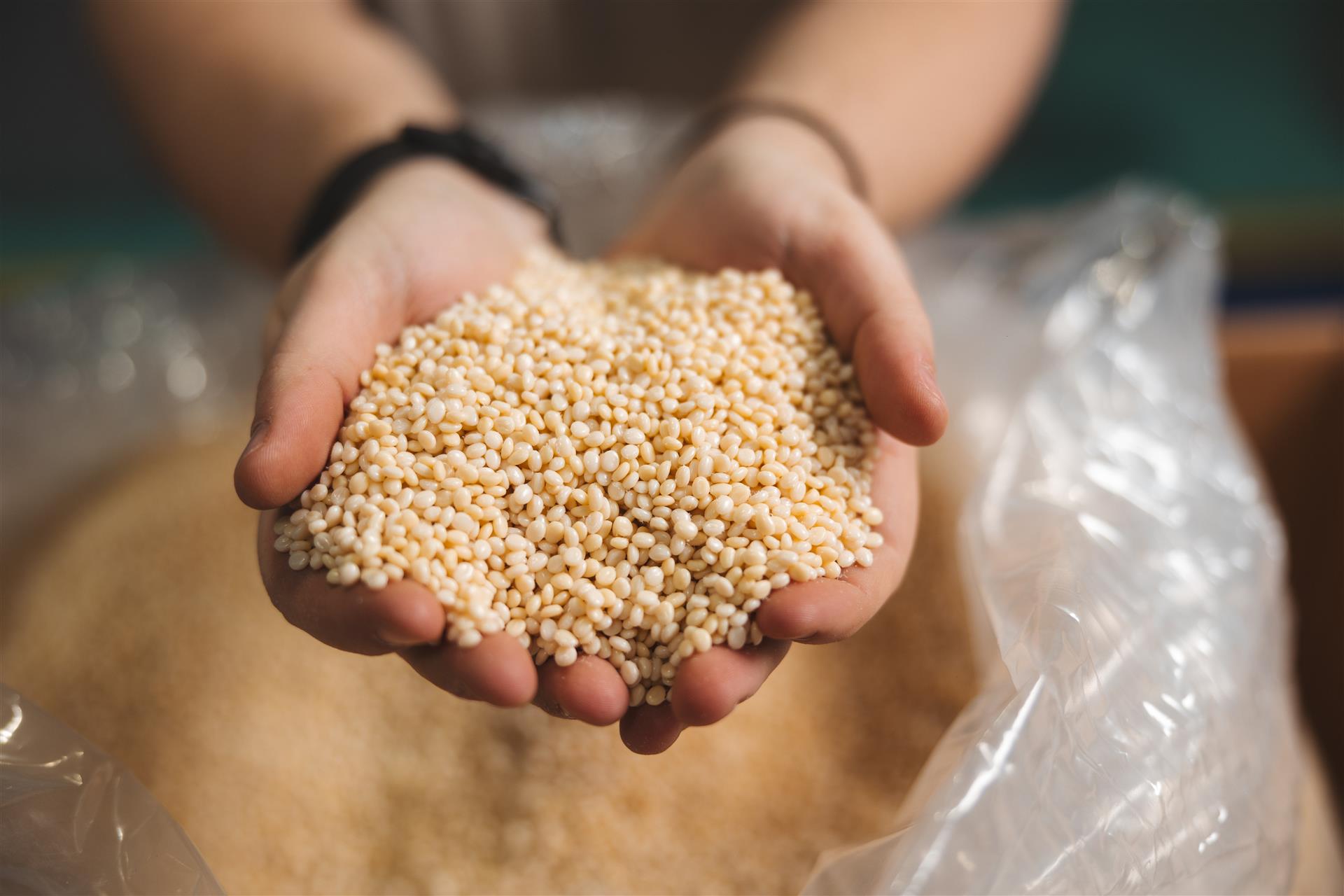
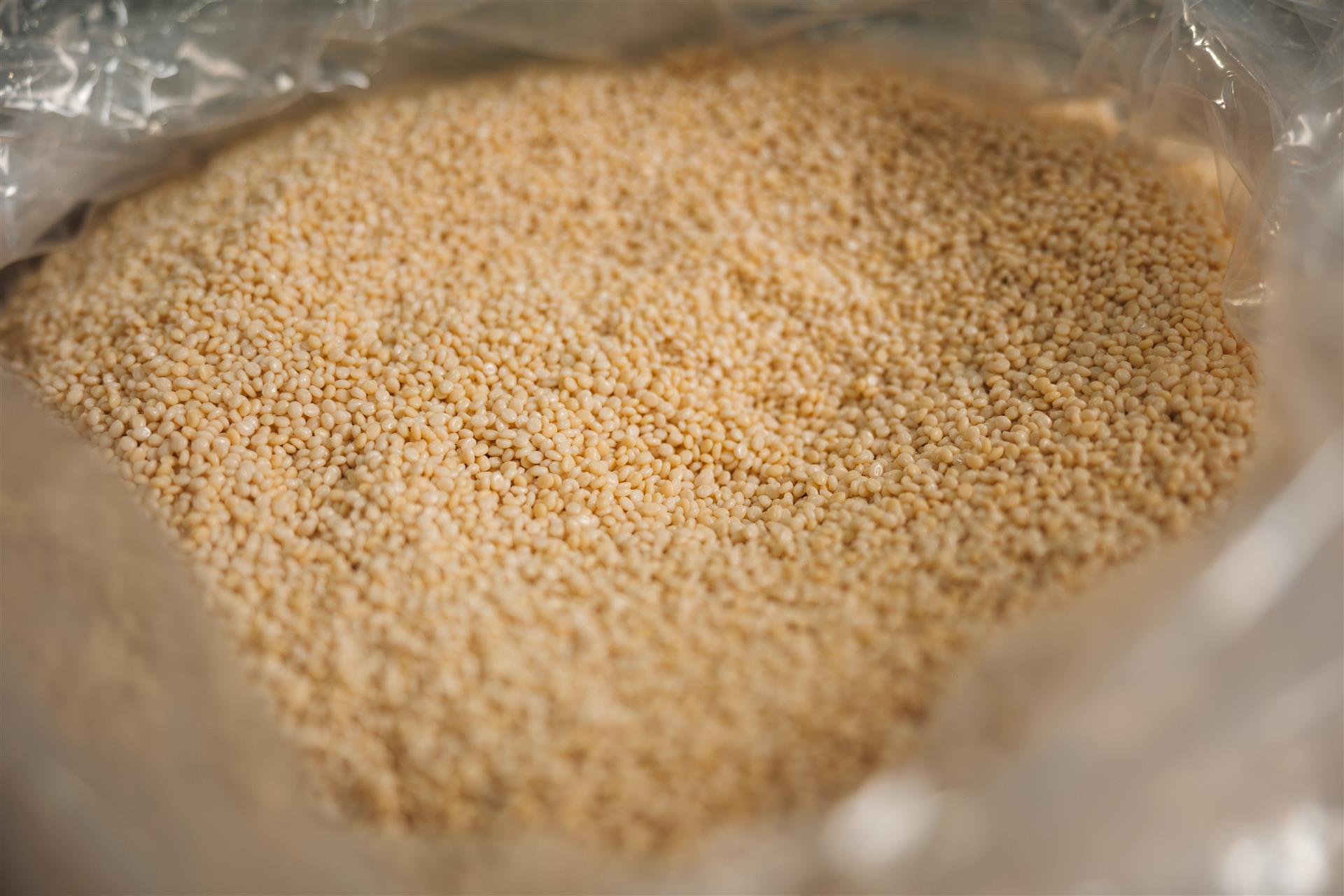
The discarded inner tube material is recovered, ground, and reused primarily in two ways: as cleaning material within extruders and, in controlled percentages, in the production of semi-finished products already included in the company’s portfolio. The use of recovered material for cleaning purposes was officially implemented and consolidated in 2025, completely replacing virgin material.
This approach effectively transforms process scrap into a valuable resource by reintegrating it into the production cycle, improving operational efficiency and contributing to the progressive reduction of the overall environmental footprint.
To further support this process, an additional volumetric dosing system has been introduced and integrated with the existing one. This upgrade will enable the use of recovered material across multiple production lines, expanding the application of circular economy principles in inner tube manufacturing.
Objectives and expected results
Throughout the year, the project became a key investment for the R&D department, leading to the implementation of dedicated systems, procedures, and machinery. Specifically, three new cutting units were installed downstream of each inner tube extrusion line. These systems automatically cut non-conforming sections, conveying them into dedicated mobile reusable bags, thus fully eliminating the need for manual operator intervention.
The discarded inner tube material is recovered, ground, and reused primarily in two ways: as cleaning material within extruders and, in controlled percentages, in the production of semi-finished products already included in the company’s portfolio. The use of recovered material for cleaning purposes was officially implemented and consolidated in 2025, completely replacing virgin material.
This approach effectively transforms process scrap into a valuable resource by reintegrating it into the production cycle, improving operational efficiency and contributing to the progressive reduction of the overall environmental footprint.
To further support this process, an additional volumetric dosing system has been introduced and integrated with the existing one. This upgrade will enable the use of recovered material across multiple production lines, expanding the application of circular economy principles in inner tube manufacturing.
Objectives and expected results
The project is designed to achieve a significant reduction in scrap generated within the extrusion department while increasing material circularity. In particular, it is expected to reduce inner tube scraps by approximately 70% and recover around 10 tons of plastic material per year.
The introduction of new technologies will also enhance process stability and operational efficiency, standardize scrap management, and reduce costs associated with both waste disposal and the procurement of virgin raw materials.
Additional expected benefits include improved workplace safety, thanks to automated scrap collection, and a reduction in CO₂ emissions, estimated between 40 and 80 tons annually.
Ultimately, the project strengthens the company’s competitive positioning while supporting the development of a more sustainable production model.
The introduction of new technologies will also enhance process stability and operational efficiency, standardize scrap management, and reduce costs associated with both waste disposal and the procurement of virgin raw materials.
Additional expected benefits include improved workplace safety, thanks to automated scrap collection, and a reduction in CO₂ emissions, estimated between 40 and 80 tons annually.
Ultimately, the project strengthens the company’s competitive positioning while supporting the development of a more sustainable production model.


Transfer Oil S.p.A.
Via Sacca, 64 - 43052
Colorno, Italy
T +39 0521 3139
info.ita@transferoil.com
Singapore Branch:
T: +65 6464 0818
info.sgp@transferoil.com
Shanghai Branch:
T: +86-21-24150660
info.chn@transferoil.com
Houston Branch:
Toll free: (844) HP-HOSES (844) 474-6737
T: +1 713 401-1857
info.usa@transferoil.com
Code of Ethics
Whistleblowing
Supplier code of conduct
Follow us on Linkedin
Follow us on YouTube
.jpeg)