Sustainability
For a better tomorrowSustainability: a core value at Transfer Oil
Environmental responsibility, social commitment and ethical governance are embedded in Transfer Oil decision-making and shape the way we develop our products, optimize our processes and build durable relationships with customers, suppliers and employees.
Our sustainability strategy combines long-term investments in energy efficiency, renewable energy, responsible resource management and people development, supporting sustainable growth while delivering the high quality and reliability our customers expect.
Over the years, this approach has evolved into a structured ESG approach, supported by measurable objectives, internationally recognized standards and continuous monitoring of our environmental and social performance.
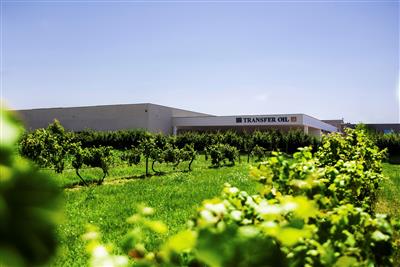
Transfer Oil's sustainability journey began with the installation of its first photovoltaic system in 2012. Since then, continuous investments have further strengthened this strategy, culminating in the construction of the new headquarters, designed to maximize energy efficiency, optimize resource consumption and provide a modern, sustainable working environment.
Learn more

Energy-efficient headquarters
The design of our headquarters was driven by the goal of reducing energy consumption while providing a comfortable and efficient workplace.
LED lighting

Sustainability in manufacturing
Energy-efficient lighting
Laser marking technology
The new marking system represents a significant improvement from both an environmental and an operational perspective.
Waste Management
Paper consumption
Office paper consumption has been significantly reduced thanks to cloud-based document management.
Workstations are equipped with large monitors that enable employees to view multiple documents simultaneously. Only three printers are available throughout the building, encouraging a workplace culture focused on minimizing paper use.
Together, these measures have reduced paper consumption by more than 80%.

Plastic consumption
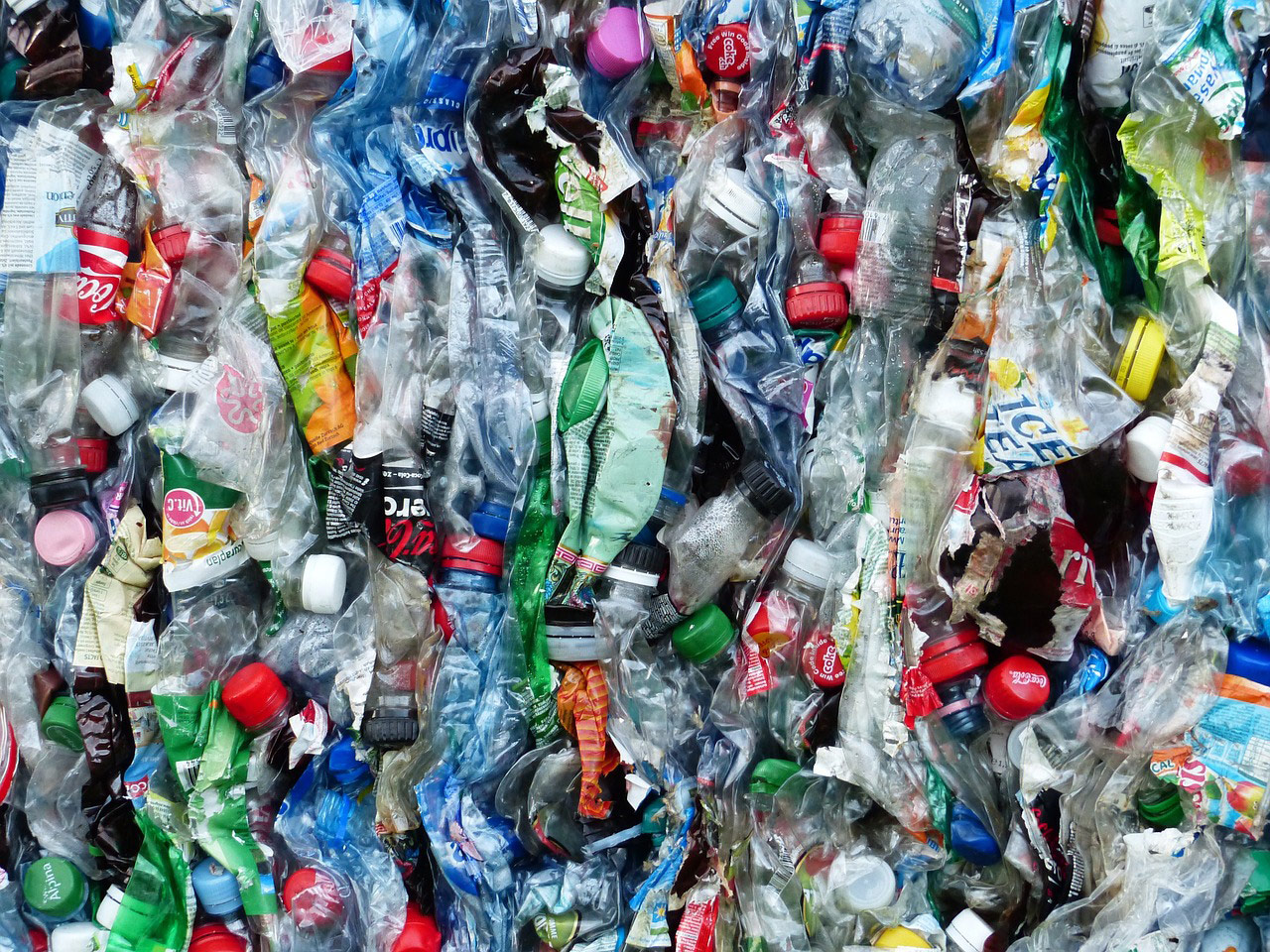
In 2019, Transfer Oil eliminated single-use plastic bottles from vending machines, replacing them with drinking water dispensers and providing every employee with a reusable insulated bottle. Since the introduction of this initiative, the Company has avoided the use of approximately 253,000 plastic bottles, reducing plastic waste while encouraging more sustainable everyday habits.

Separate waste collection
Separate waste collection is implemented throughout the entire facility. In addition to standard recycling streams such as paper, plastic, glass and organic waste, the Company manages 26 different waste categories across offices and production departments, with most materials recovered or recycled through authorized waste management operators.

Renewable energy generation
Solar park
Renewable energy plays a central role in Transfer Oil's environmental strategy.
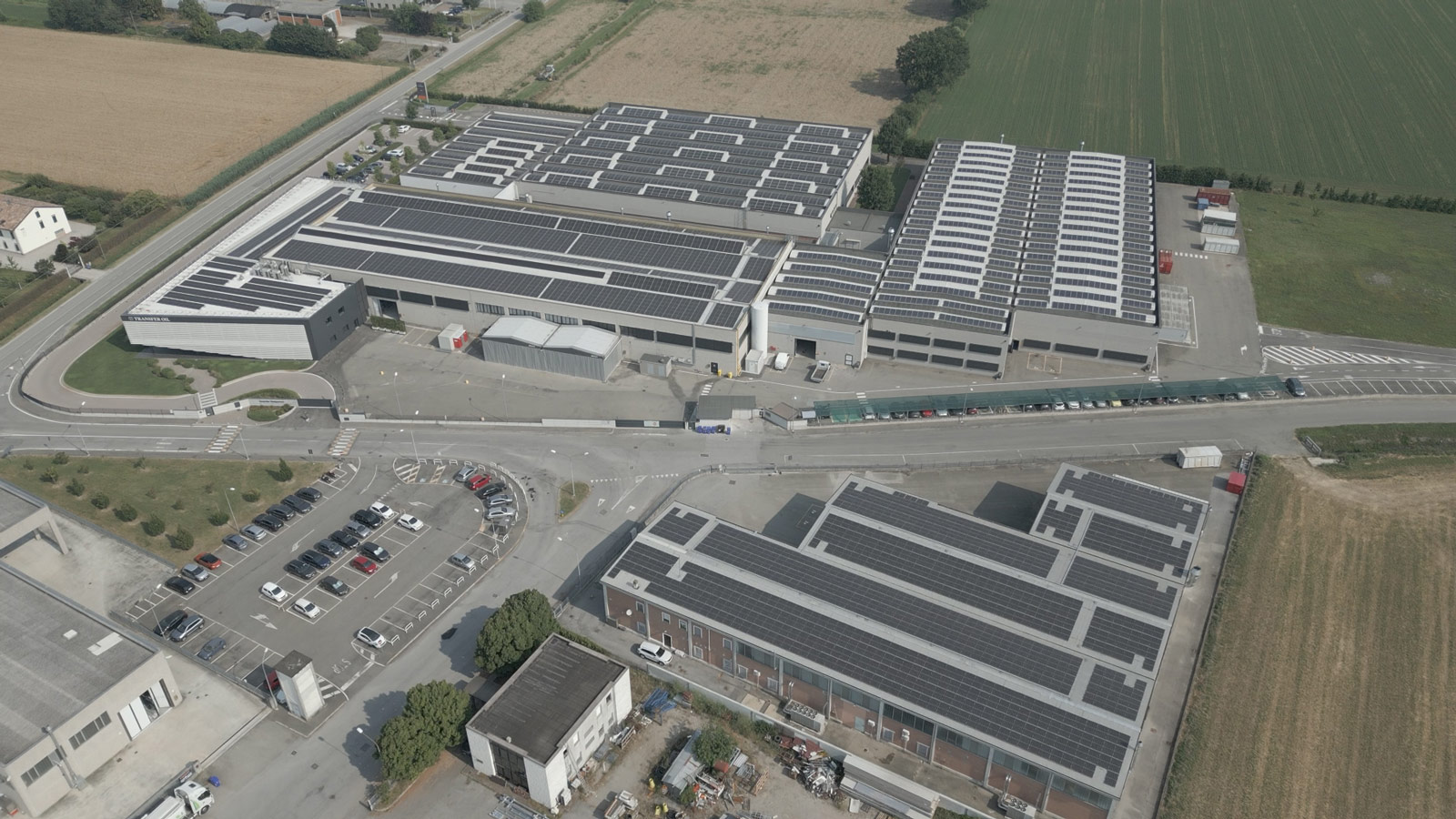
Following the installation of the Company's first photovoltaic system in 2012, a second and significantly larger installation became operational in 2024. Today, the Transfer Oil Solar Park covers approximately 20,000 m² of rooftop area and includes more than 5,000 photovoltaic panels, with a total installed capacity of approximately 2 MWp.
The system currently supplies around 80% of the Company's annual electricity demand, significantly reducing reliance on grid electricity while lowering greenhouse gas emissions and improving overall energy efficiency.
Watch the video
ESG, Code of Ethics & External Assessments
A structured approach to responsible growth
At Transfer Oil, sustainability is supported by a structured ESG framework based on voluntary environmental practices, social commitment and sound governance.
To guide this journey, the Company has established a dedicated team involving internal functions and external experts, with the aim of continuously monitoring performance, identifying improvement opportunities and aligning initiatives with internationally recognized ESG principles.
In 2023, this commitment led to the development of the first Sustainability Assessment, representing an important milestone towards the preparation of our Sustainability Report and the definition of measurable long-term objectives.
Independent recognition of our ESG commitment
Transfer Oil’s sustainability performance is also evaluated through EcoVadis, one of the most recognized global platforms for sustainability assessments.
Using a standardized methodology, EcoVadis evaluates companies across four key areas:
- Environment
- Labour & Human Rights
- Ethics
- Sustainable Procurement
Following the assessment, Transfer Oil achieved the EcoVadis Silver Medal, confirming the progress made in integrating responsible practices into our operations and value chain.
Responsible supply chain management
Our commitment extends beyond our own operations and includes the partners we work with.
Through platforms such as IntegrityNext, Transfer Oil provides customers with transparent information regarding its ESG practices and compliance with sustainability requirements.
In addition, our supplier qualification process includes the evaluation of environmental, social and ethical criteria, supporting the development of a responsible and resilient supply chain.
In addition, the Company has been assessed by Open-ES, achieving a score of 87 out of 100, and ranking in Class 3 – Master, the highest level assigned to manufacturing companies on the platform.
Ethics and responsible governance
In 2023, the Company adopted its Organization, Management and Control Model pursuant to Legislative Decree 231/2001 and published its Code of Ethics, defining the values, principles and standards of conduct expected from employees, management, suppliers and business partners.
The Code of Ethics represents a reference framework for making ethical decisions and conducting business activities in a fair, transparent and socially responsible manner.
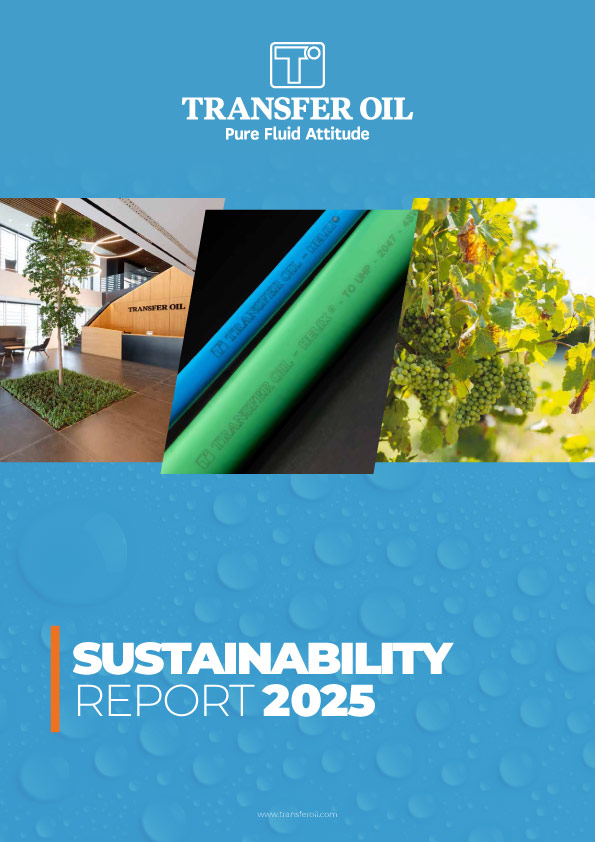
Sustainability Report 2025
Aligned with the Paris Agreement and the United Nations Sustainable Development Goals (SDGs), our Sustainability Report describes how Transfer Oil integrates environmental responsibility, commitment to people and ethical governance across its organization, from manufacturing processes and energy management to employee wellbeing and supply chain relationships.
The document highlights the Company’s commitment to sustainable growth through investments in energy efficiency, renewable energy, responsible resource management, skills development and the continuous improvement of its supply chain practices.
Among the key achievements in 2025 are the contribution of the Solar Park to renewable energy generation, emissions reduction, the circular economy project dedicated to the recovery of production scraps, investments in training and employee wellbeing, and the further development of sustainable procurement practices.
The Report represents a tool for transparency and performance monitoring, through which Transfer Oil shares its progress and defines future objectives in line with its commitment towards 2030.
Concrete results and measurable progress
The Sustainability Report highlights the key ESG achievements and progress made during 2025.
Renewable energy
of total energy consumption from renewable sources, supported by the full operation of our Solar Park.
Emissions reduction
of total emissions (Scope 1 + Scope 2 location-based + Out-of-Scope emissions), representing an 18% reduction compared with 2024.
Circular economy
reduction target for internal tube extrusion scrap through the project aimed at reintegrating recovered materials into the production cycle.
People
across Transfer Oil Group, with continuous investments in training, wellbeing and workplace safety.
Responsible supply chain
of purchases from suppliers certified according to ISO 14001 environmental standards.
Looking ahead
The Sustainability Report is not the conclusion of a journey, but a tool to guide future improvements.
Through clearly defined objectives and measurable indicators, Transfer Oil will continue working to:
- reduce greenhouse gas emissions;
- increase renewable electricity coverage;
- improve resource efficiency;
- strengthen employee development and engagement;
- promote sustainable supply chain practices.
By monitoring our progress and sharing our results, we aim to build trust and create long-term value together with our stakeholders.