Preserving local biodiversity and cultural heritage
For Transfer Oil, sustainability also means strengthening the relationship between the Company and the local area in which it operates.
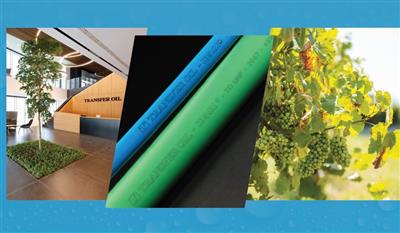
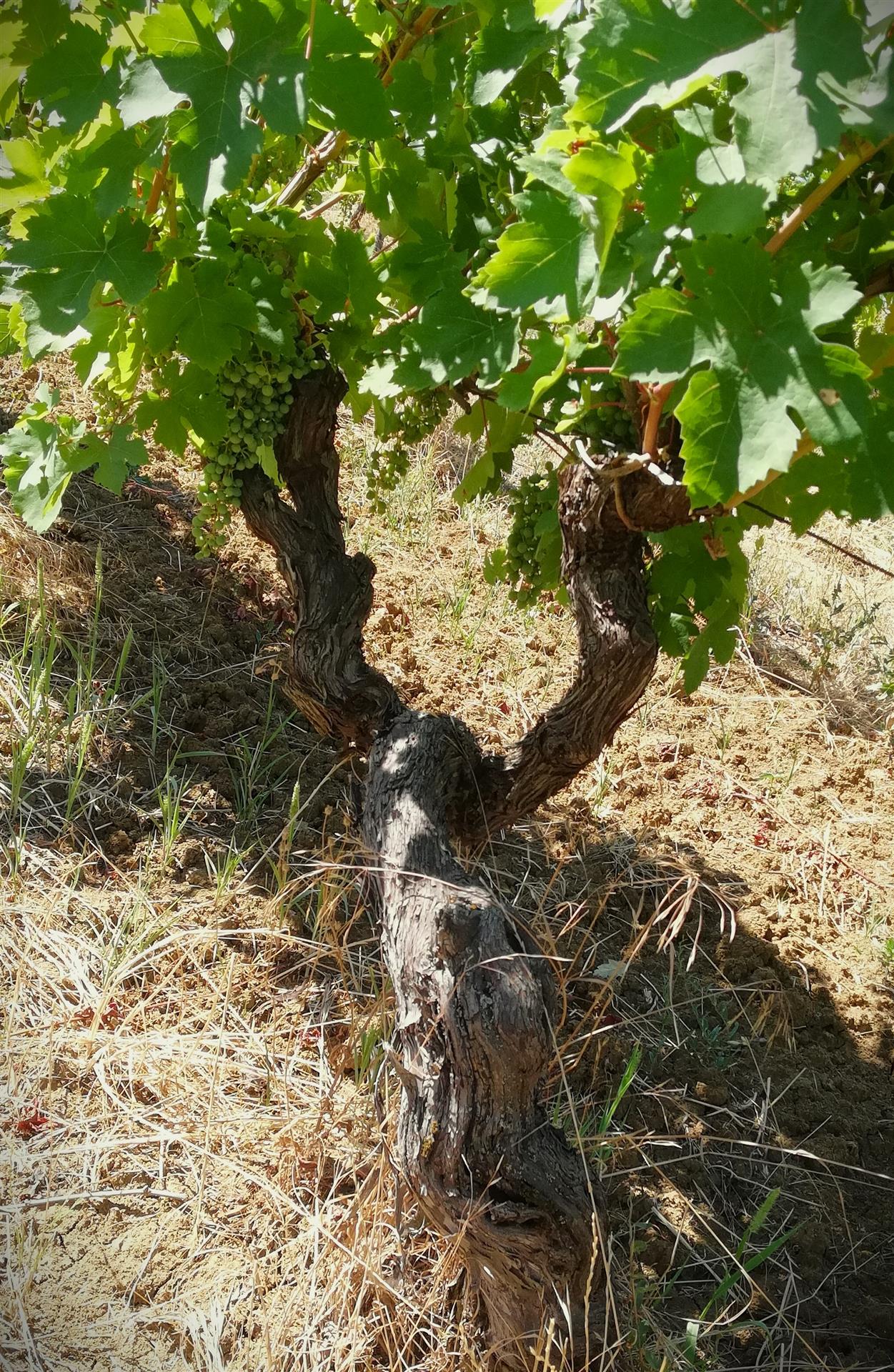
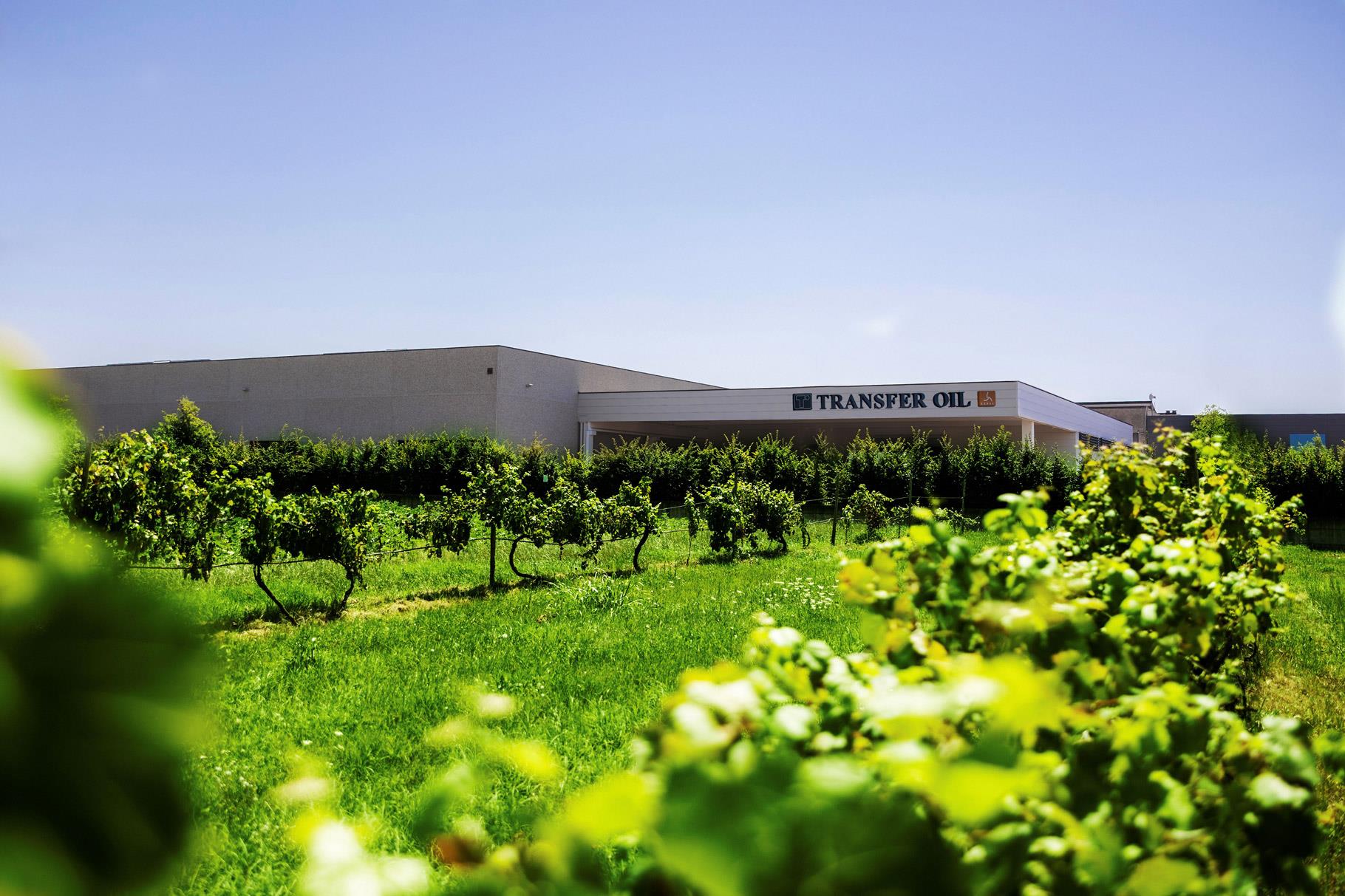
On the northwest side of the Transfer Oil site lies a plot of land covering nearly five hectares, acquired by the Company in 2021. After remaining uncultivated for several years, the area became the focus of a restoration and enhancement project in 2024, which led to the recovery of two long rows of existing grapevines.
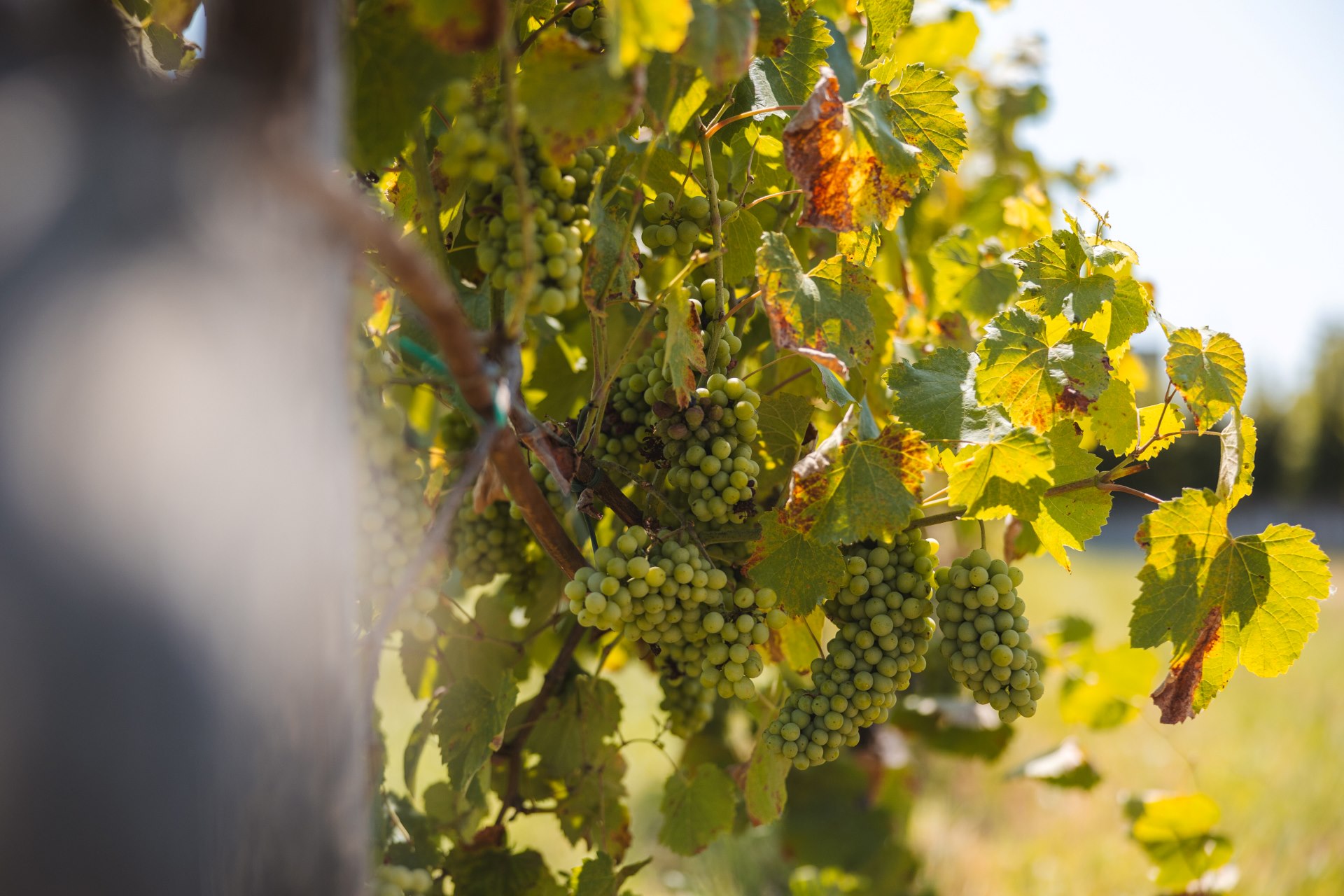
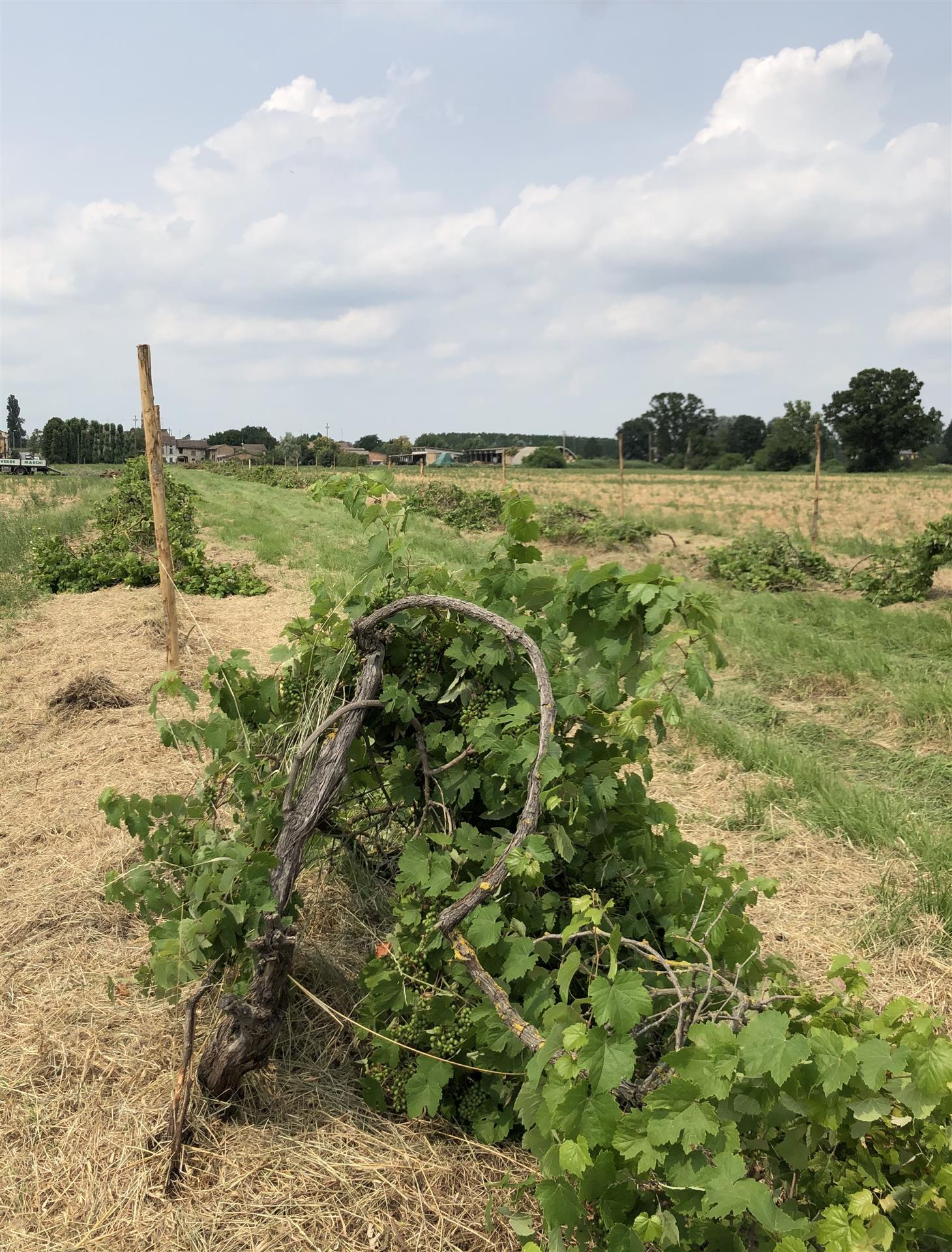
The specific focus was on these rows, given that they consisted of native grape varieties. Thanks to the installation of new header and support poles, the row planting has been restored, saving the vines, and ensuring their preservation for years to come also thanks to installation of an automatic irrigation system.
Looking ahead, the project will continue to focus on soil conservation, biodiversity protection and the preservation of existing vines. Additional vines will be planted to ensure the vineyard's long-term continuity and productivity.
By cultivating native grape varieties and adopting sustainable farming practices, including water conservation measures and reduced chemical inputs, the initiative contributes to maintaining ecological balance while protecting natural resources.
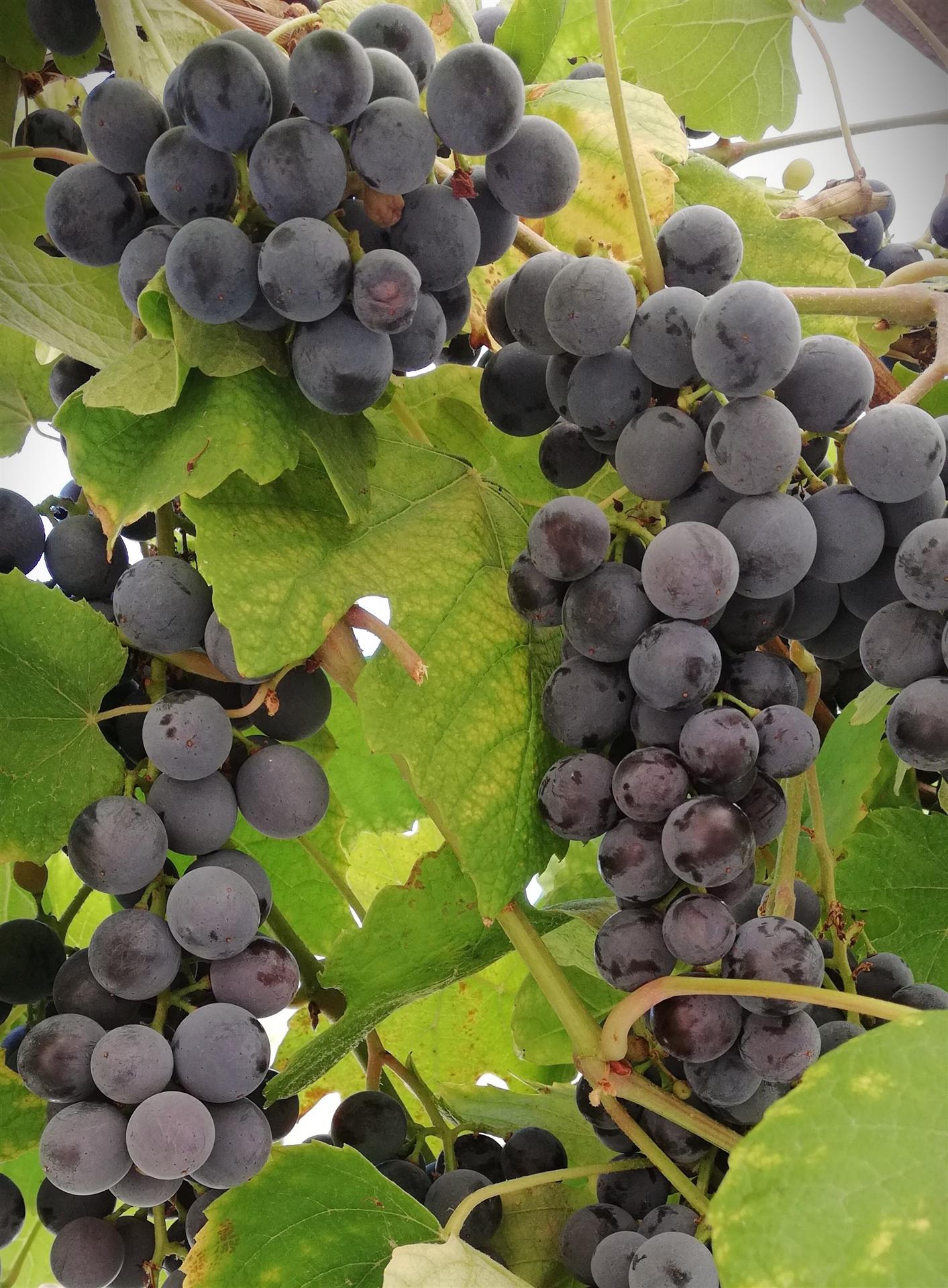
Beyond its environmental value, the vineyard also strengthens Transfer Oil's connection with the local community and its employees. Each year, employees voluntarily take part in the grape harvest, sharing a unique experience that promotes collaboration, engagement and a deeper connection with the surrounding environment.
The vineyard also contributes to natural carbon sequestration, supporting the Company's broader commitment to reducing its environmental footprint.
On the northwest side of the Transfer Oil site lies a plot of land covering nearly five hectares, acquired by the Company in 2021. After remaining uncultivated for several years, the area became the focus of a restoration and enhancement project in 2024, which led to the recovery of two long rows of existing grapevines.
The specific focus was on these rows, given that they consisted of native grape varieties. Thanks to the installation of new header and support poles, the row planting has been restored, saving the vines, and ensuring their preservation for years to come also thanks to installation of an automatic irrigation system.
Looking ahead, the project will continue to focus on soil conservation, biodiversity protection and the preservation of existing vines. Additional vines will be planted to ensure the vineyard's long-term continuity and productivity.
By cultivating native grape varieties and adopting sustainable farming practices, including water conservation measures and reduced chemical inputs, the initiative contributes to maintaining ecological balance while protecting natural resources.
Beyond its environmental value, the vineyard also strengthens Transfer Oil's connection with the local community and its employees. Each year, employees voluntarily take part in the grape harvest, sharing a unique experience that promotes collaboration, engagement and a deeper connection with the surrounding environment.
The vineyard also contributes to natural carbon sequestration, supporting the Company's broader commitment to reducing its environmental footprint.
.jpg)

Transfer Oil S.p.A.
Via Sacca, 64 - 43052
Colorno, Italy
T +39 0521 3139
info.ita@transferoil.com
Singapore Branch:
T: +65 6464 0818
info.sgp@transferoil.com
Shanghai Branch:
T: +86-21-24150660
info.chn@transferoil.com
Houston Branch:
Toll free: (844) HP-HOSES (844) 474-6737
T: +1 713 401-1857
info.usa@transferoil.com
Code of Ethics
Whistleblowing
Supplier code of conduct
Follow us on Linkedin
Follow us on YouTube